
celebrating sustenance
or: a diary of my favourite meals these past couple of months

I finished my Master’s a month ago. Though whatever grip that experience had on me has not yet loosened, I see the summer looming ahead, green and wet, promising to melt the weight on my shoulders. There is this anxiety I’m trying to dispel, and it’s clinging to every sidewalk in my mind like old snow. I want to slather myself in sunscreen and lay on a blanket in the park. I want an entire indulgent afternoon in my lover’s room. I want to watch ants stream into their little mounds of dirt, to imagine the mazes they’ve carved out for themselves underground. I have a playlist from the days I used to spend under willow trees with a book—long ago, before all of this, before I allowed my identity to be overtaken by academia—and I’ve been listening to it again. This will be my first school-free summer in six years.
I think what I mean is that I will finally rediscover idleness, the kind I haven’t exercised since I was a teenager, and I will revel in it. As for the discipline I’ve honed in an academic setting, I’ll channel it into things I haven’t had time for: yoga, dance, reading for pleasure, escaping vitamin deficiency.
One thing I already feel shifting is my relationship with food.
Lately, I’ve been finding myself sitting at more dinner tables. I am beginning to treat shared meals, and gatherings that center around them, as harbingers of conversation, of desire. Shock and awe: the table can be a place to linger.
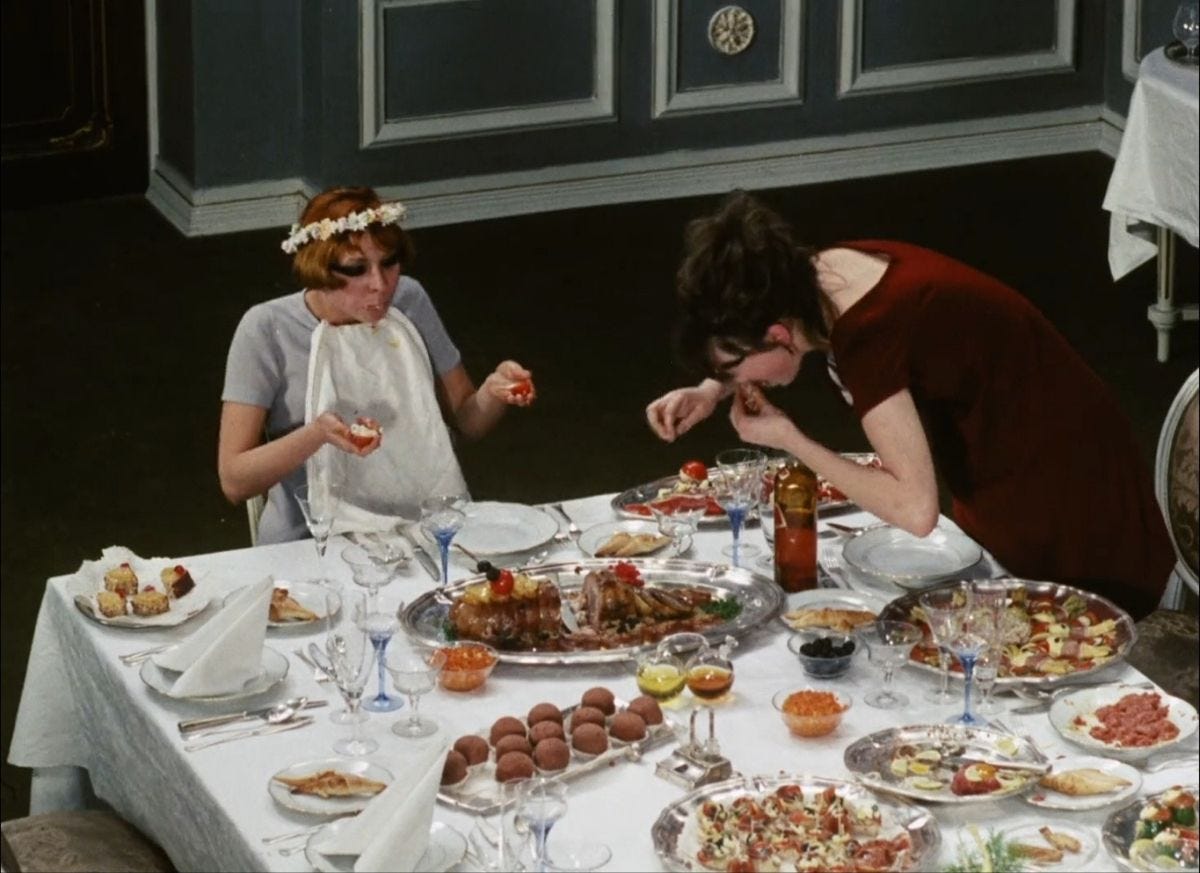
This is no huge revelation; I am aware it sounds so obvious. But I suppose I lost sight of the social function of eating during grad school. I was pretty irreverent about food for a while. I spent my academic years perceiving food as a simple form of sustenance, to be grabbed and eaten as quickly (and thoughtlessly) as possible while rushing to classes and work.
But last month, I went out to eat more frequently than I ever had before. Found myself slipping into evenings with friends, quiet lunches alone. And long, low-lit dinner dates, everything illuminated by furtive glances and laughs. This isn’t limited to restaurant dining, either; now that I have more time to cook, I am taking great pleasure in making meals, or watching my loved ones prepare them.
Here are a few meals I haven’t been able to stop turning over in my mind (or mouth)— ever since I stabbed them with my fork.
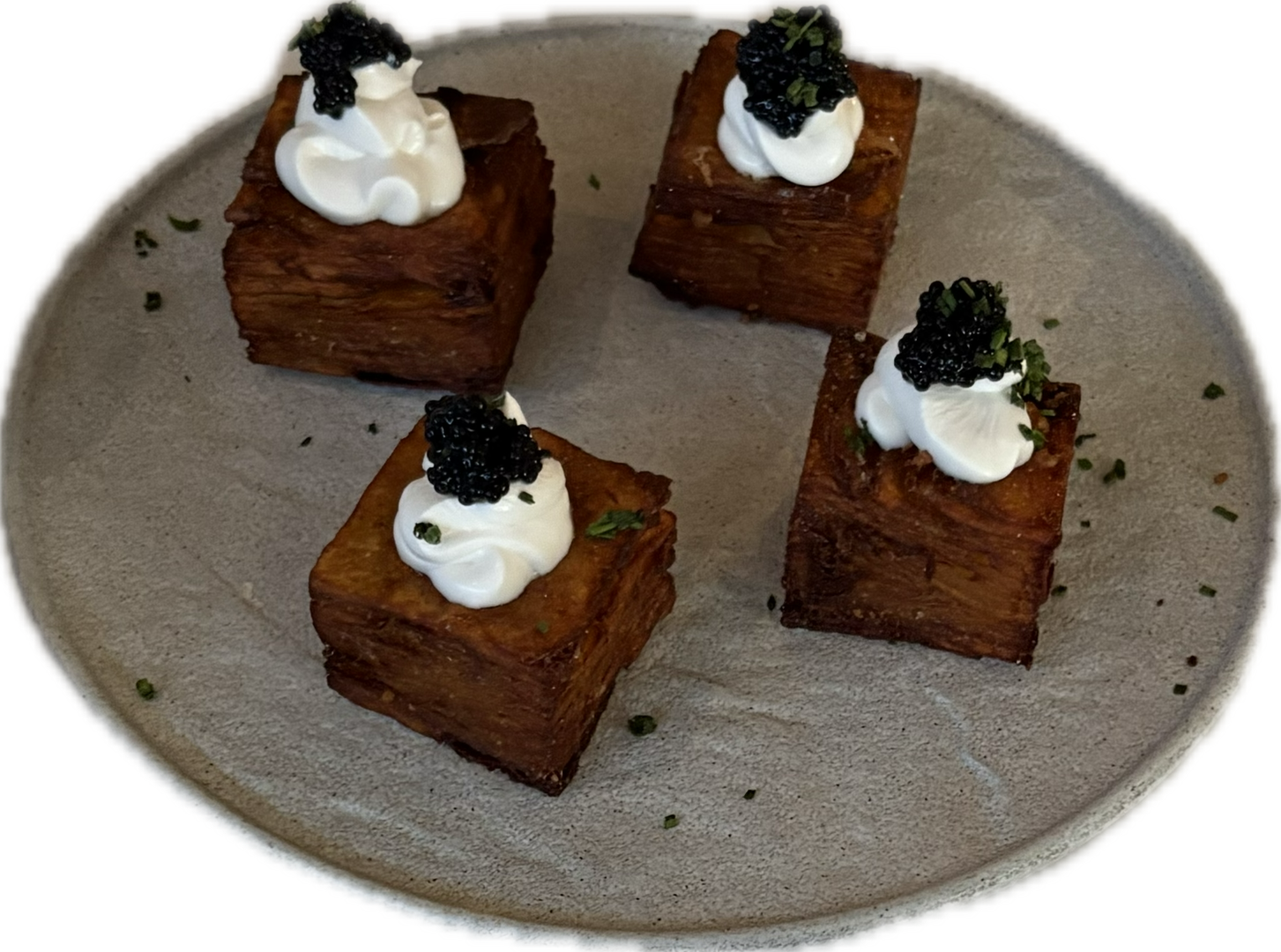
At a vegan dinner party last month, a friend served fried portobellos. She had scored them so they opened under heat, plated them over a wide smear of hummus. Garlic clung to each slice, and pomegranate seeds, semi-transluscent with brightness. The mushrooms took to the pan well. I loved the crispiness at the edges, and they were perfectly cooked—tender all the way through. I tasted earth, a slight fishiness; thought of scallops.
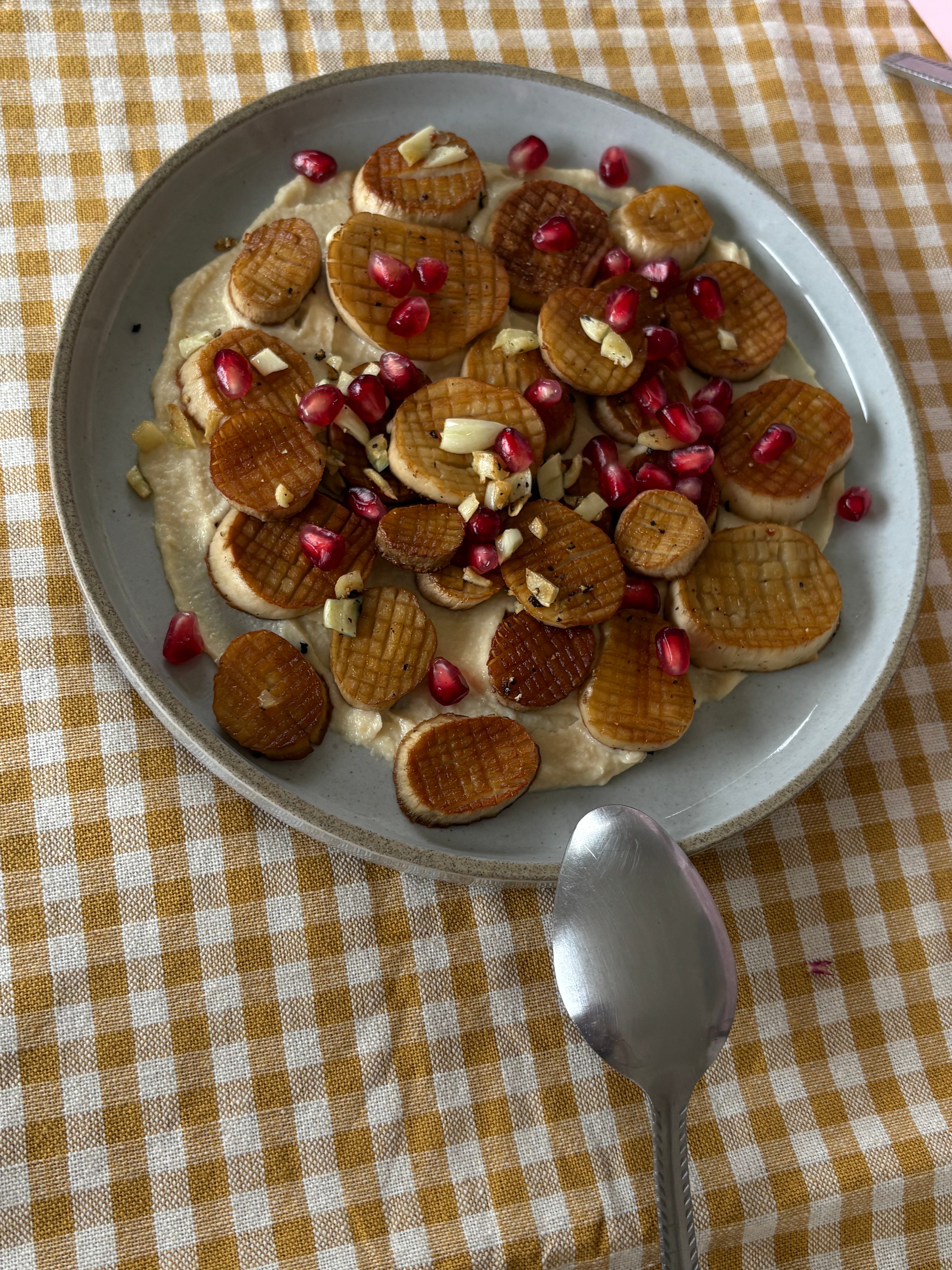
I went to dinner with my friends to celebrate our graduation— we chose a restaurant with a hybrid menu, half French and half diner fare. The first incision of this wedge salad felt intimate, even vaguely inappropriate. I’d never eaten one before, and I was struck by such American colours and textures— green, white, pale red; nuts and dill and cubed tomatoes. And the lettuce, coy beneath a lacquer of creamy dressing. It looked like it had just come jiggling of a 1950s cookbook, a relic of the en-jellification of every meal. I wouldn’t want to be the only person at the table ordering this, because it seems like a hassle to take apart, but we all poked at it together and it was delicious. I like my salads shaken— hard— with dressing distributed over every bite, but I’m glad I tried this. And I did research its provenance after, only to have my suspicions confirmed: it was a postwar American staple.
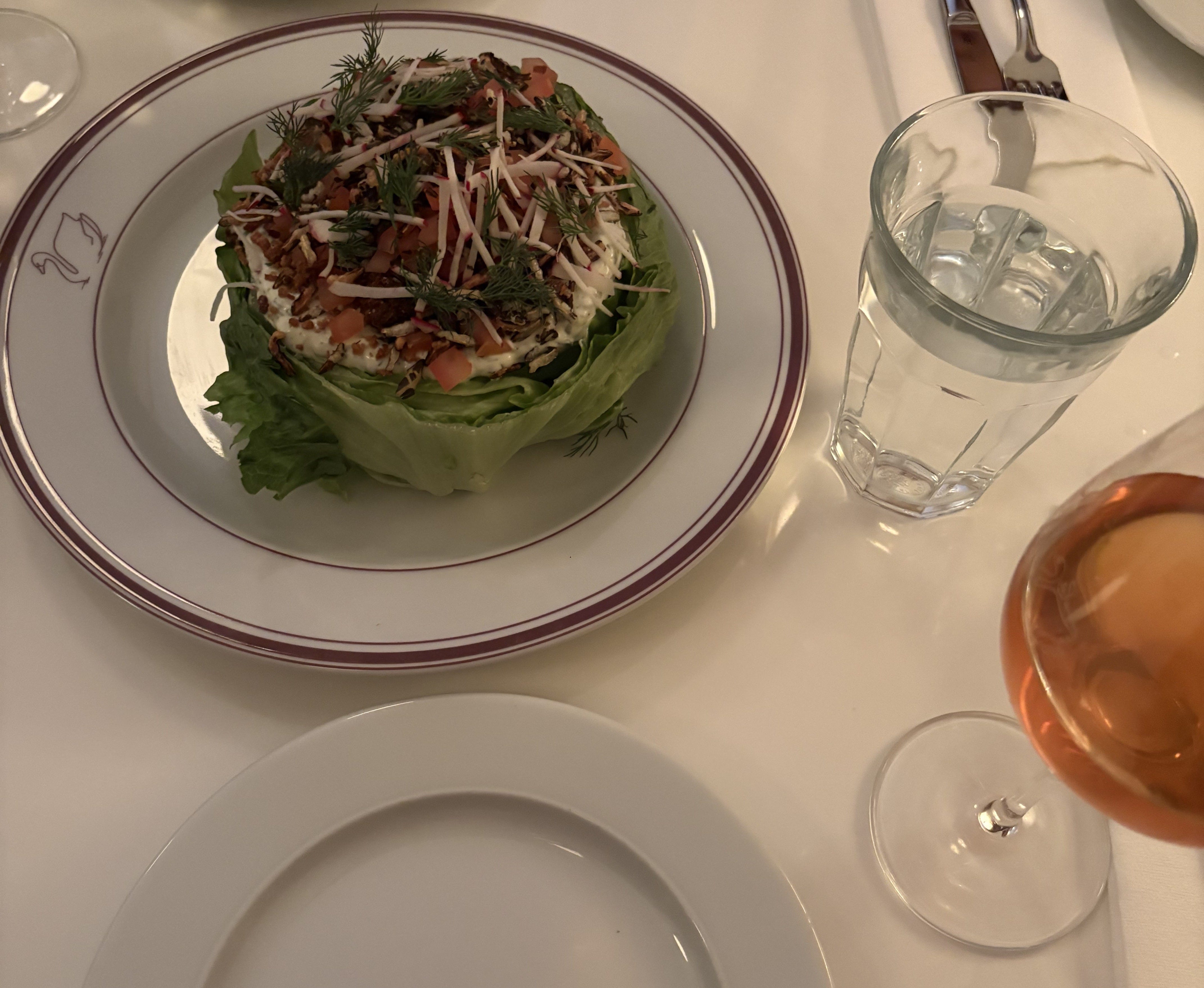
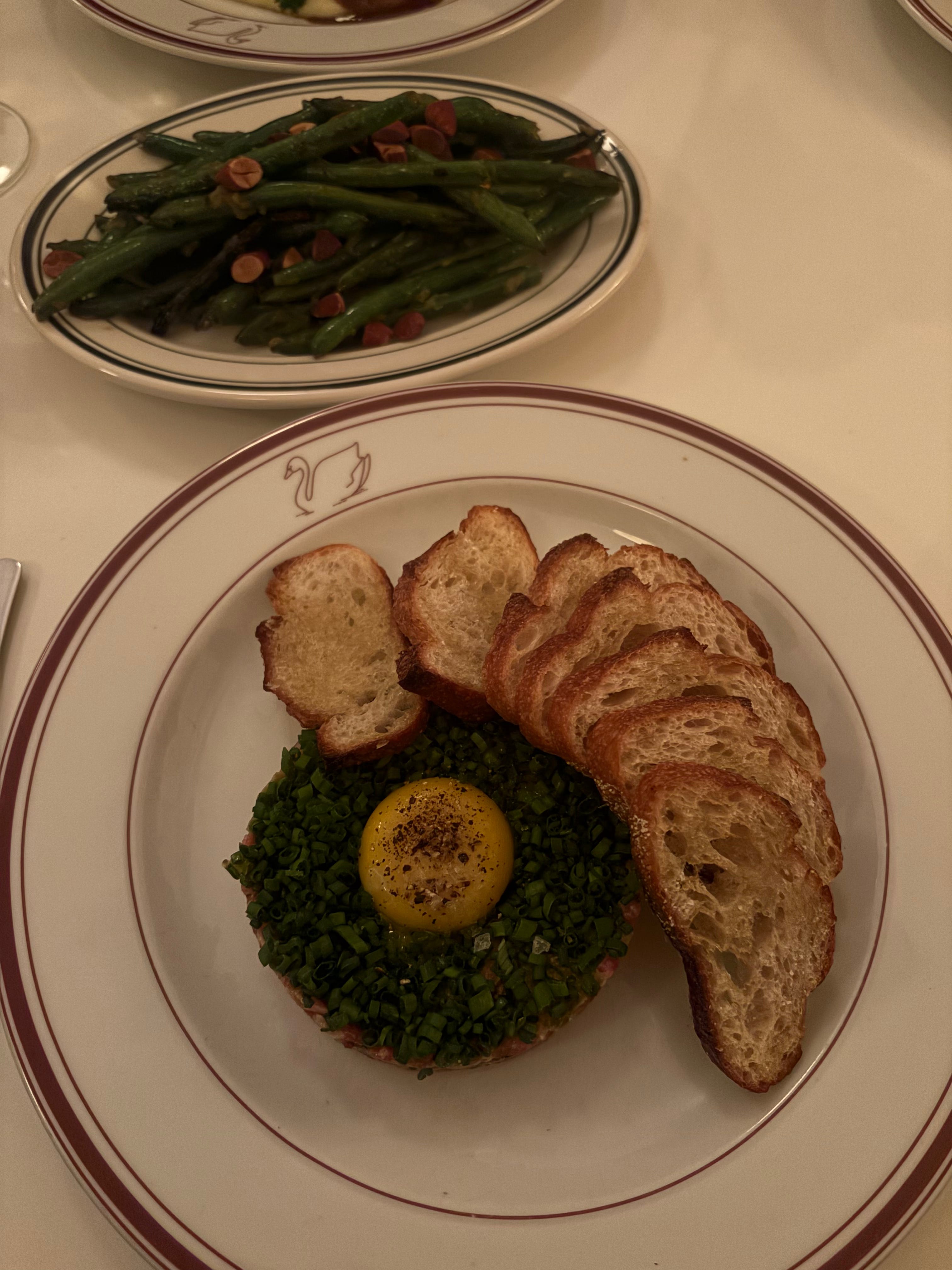
This steak tartare was heavenly. I folded the yolk into the meat while thinking about the irony of this ritual being performed by someone (me) who fears contamination more than anything. Yet I always crave this, and find myself thrilled by the small, sharp lift of acid, the occasional green onion, pepper, mustard. I spread it on my thin, toasted slices of baguette; oiled or buttered. The fat opens slightly, the flavor deepens. I am iron-deficient and I love salt. This makes sense.
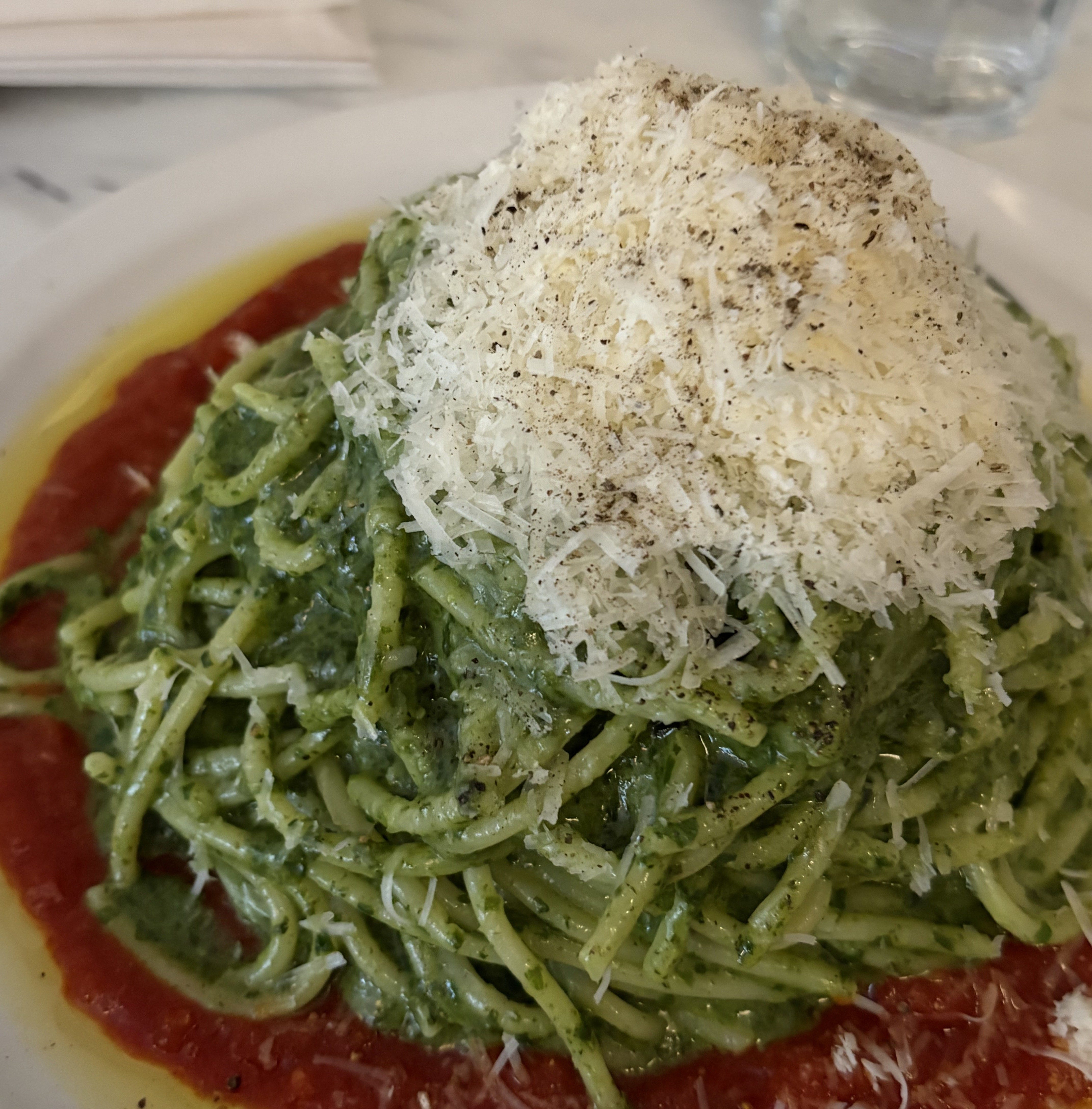
My partner is in Italy right now, but right before their departure, we stopped by a popular (and always full) italian place near their apartment, where I devoured this pesto spaghetti with fervour. It reminded me of how much I adore fresh pesto, and revived my desire to make my own— a ritual I repeat every summer. For weeks, I will eye the sun-warm leaves growing from the basil plant on my balcony, waiting for them to grow large enough to cook with. Then I’ll snip off handfuls, crack pepper, grate parmesan muddling them with my mortar and pestle.
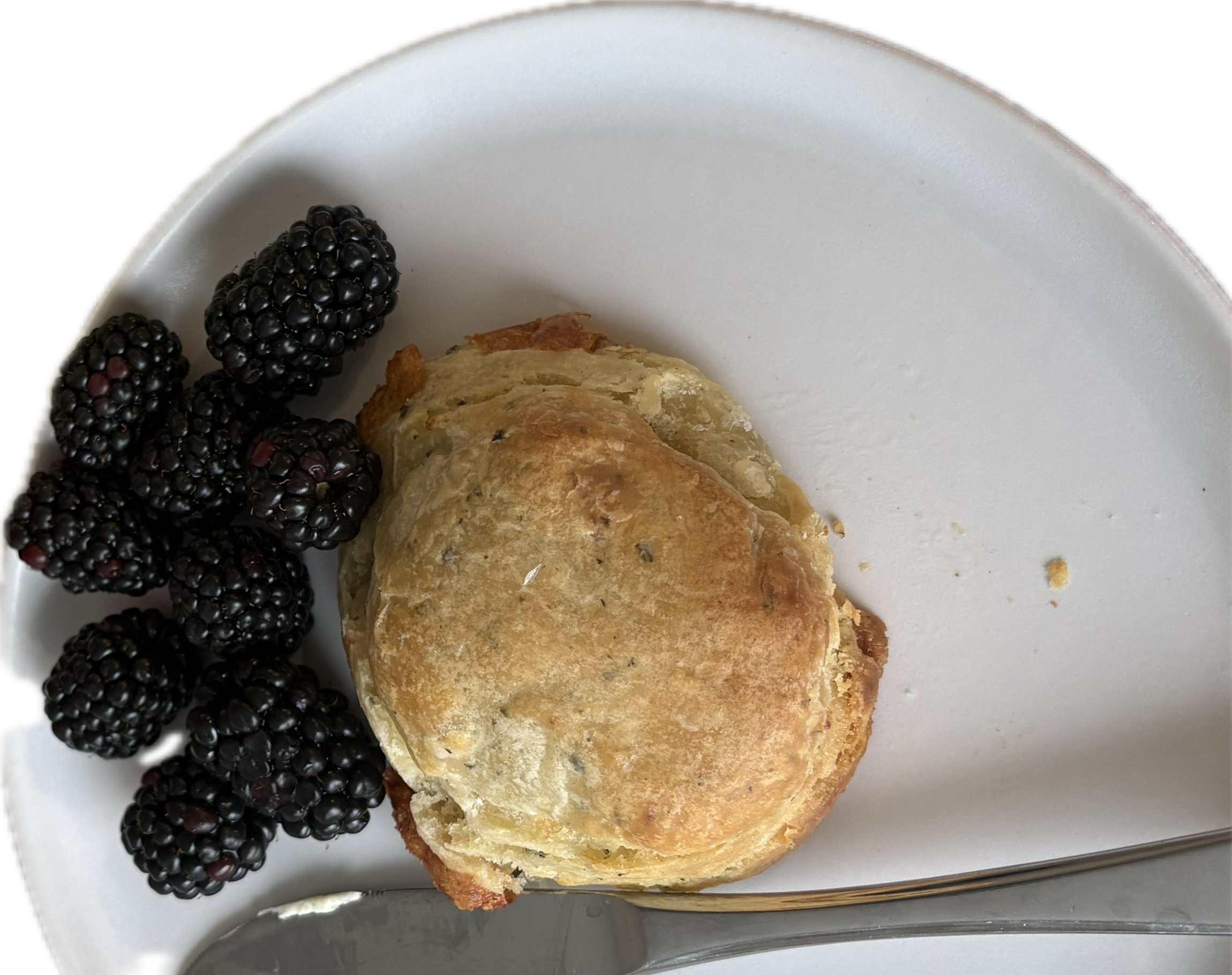
This is pretty simple, but I’ve been eating a fresh scone once a week for breakfast, with salted french butter, fruit, and bonne maman strawberry jam.
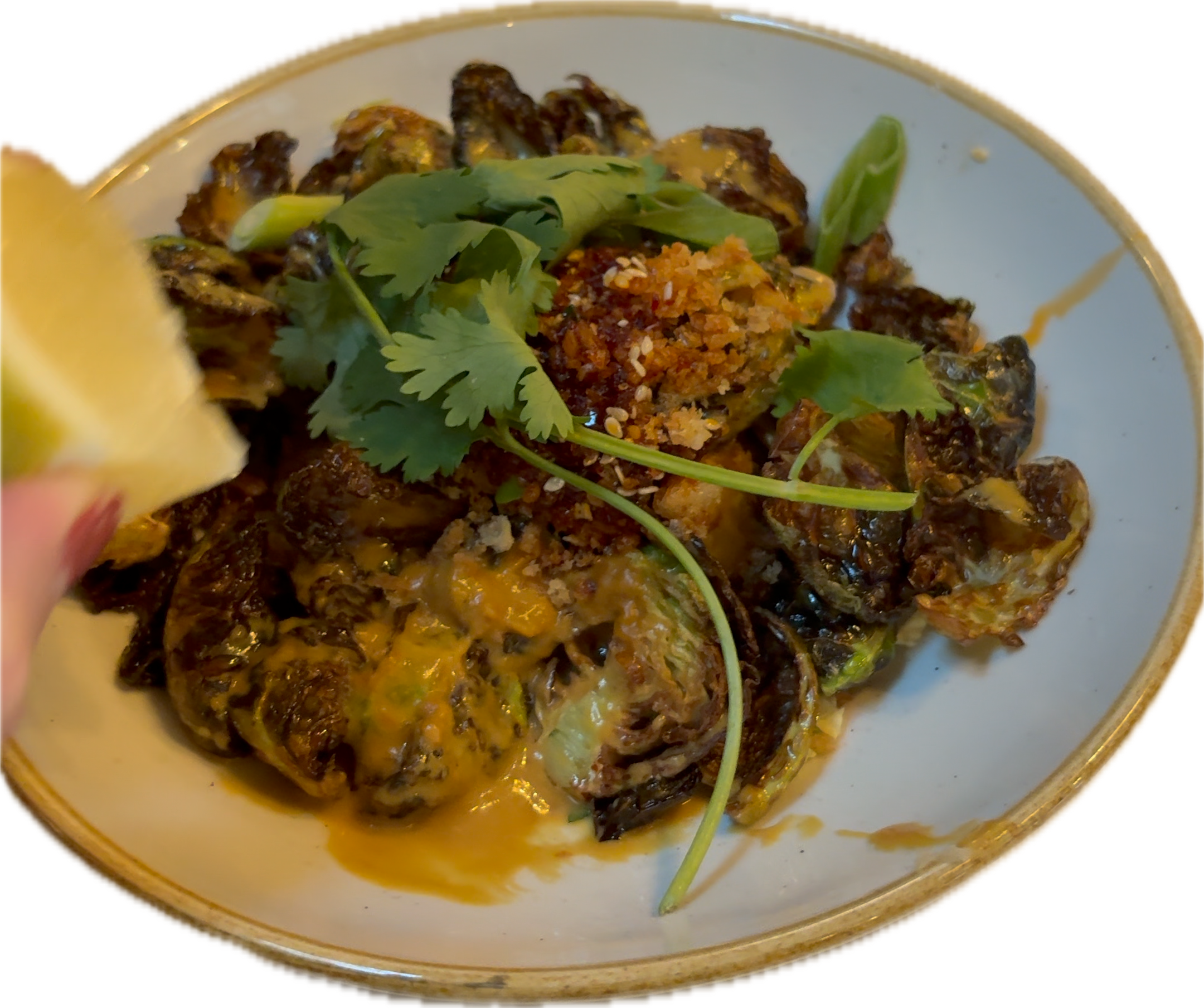
My sister and I went to a plant-based restaurant and had the most delectable miso-crunch brussel sprouts the other day. I know this just looks like a plate of brown leaves, but there are few things I enjoy more than ordering (or cooking) crispy brussel sprouts slathered in an obscene amount of miso dressing.
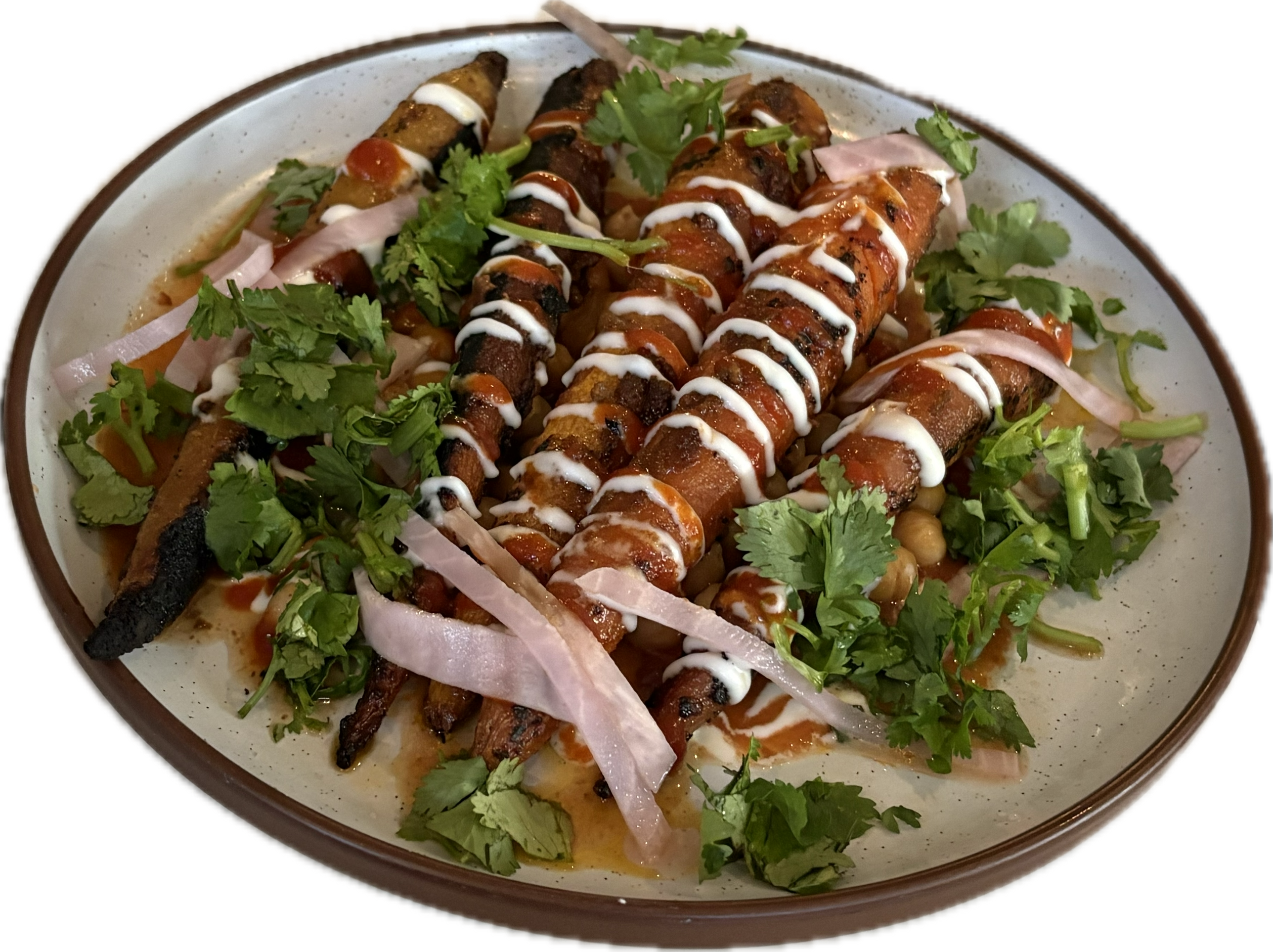
I am not vegan, or even vegetarian, but I mostly gravitate toward plant-based meals because I always crave vegetables (fibre intake is everything to me!) and find vegan food to be light and enjoyable. I also love most meat alternatives, like tofu, seitan, and tempeh. I had these heavenly roasted harissa carrots at a vegan restaurant last month and have not been able to stop thinking about them. Unfortunately, the restaurant is shutting down, and I am heartbroken that I will not be able to have them again. It has become a mission of mine to recreate these at home.
Thanks for reading :) I’m not a food blogger by any means, so this post may seem out of the blue, but I am a highly sensuous person. I need to engage my taste, smell, touch, constantly. I am a lover of stories, and food is such an important form of storytelling.
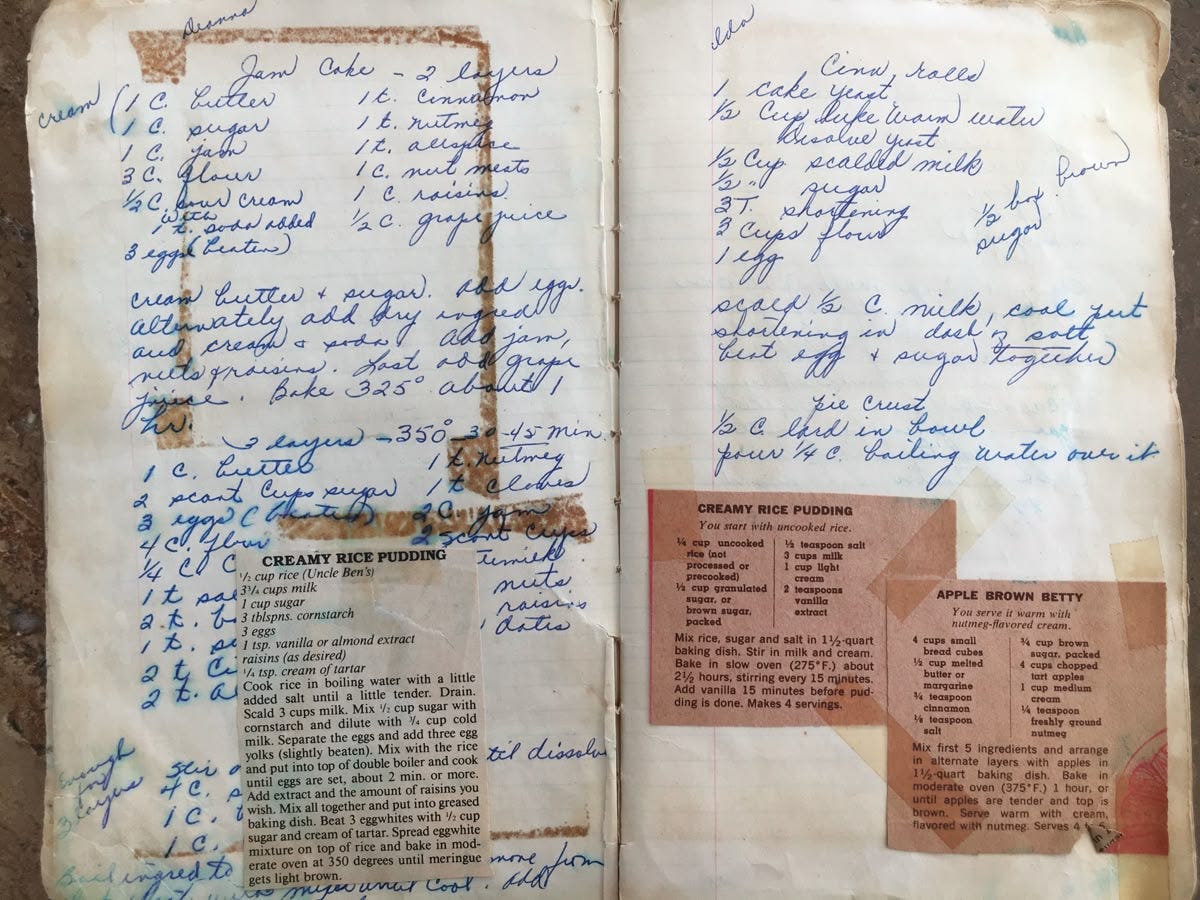
Food require this constant act of making to exist, this repeated labour. Often, a recipe must be made many times to be remembered. Food cannot be preserved in the way we preserve other things— it feels ephemeral, it is made to be consumed. A meal cannot live for long outside the stomach. Whether it be through recreating recipes often and recording them, keeping our cultures alive through recipes, passing them down to friends and loved ones, or merely posting about good food, it has always felt important to me to memorialize meals that people put so much thought and work into creating.
this made me realize i’ve never had a school free summer
I could smell and taste everything you so wonderfully described. I'm also a big fan of plant-based meals even though I'm not vegan or vegetarian, thank you for sharing all the wonderful meals you've had recently!